
Introduction
Koriandri is a term that is often associated with coriander, a popular herb and spice used throughout the world. Known for its unique aroma, refreshing flavor, and numerous health benefits, koriandri has become an essential ingredient in many cuisines. From traditional dishes in Asia to modern recipes in Europe and America, this versatile plant continues to play an important role in cooking and natural wellness.
The popularity of koriandri has grown significantly over the years due to increasing awareness of natural foods and herbal remedies. People appreciate its nutritional value, medicinal properties, and ability to enhance the taste of food. Whether used as fresh leaves, dried seeds, or powdered spice, koriandri offers a wide range of benefits that make it a valuable addition to everyday life.
This comprehensive guide explores everything you need to know about koriandri, including its origins, nutritional profile, health advantages, culinary applications, cultivation methods, and much more.
Quick Overview of Koriandri
| Feature | Details |
| Common Name | Coriander |
| Scientific Name | Coriandrum sativum |
| Family | Apiaceae |
| Origin | Mediterranean and Middle Eastern regions |
| Parts Used | Leaves, seeds, stems, roots |
| Flavor | Fresh, citrus-like, slightly spicy |
| Main Uses | Cooking, medicine, herbal remedies |
| Nutritional Value | Rich in vitamins, minerals, and antioxidants |
| Growing Season | Spring and autumn |
| Popular Forms | Fresh leaves, dried seeds, powder |
What Is Koriandri?
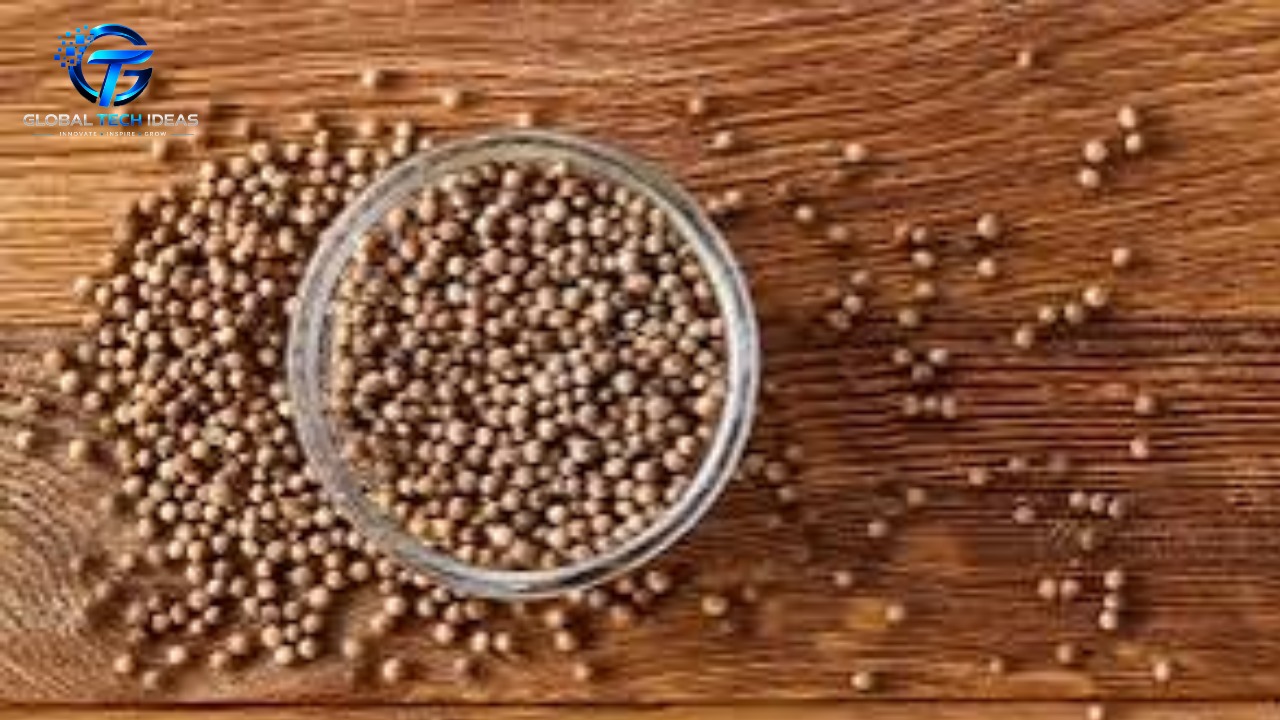
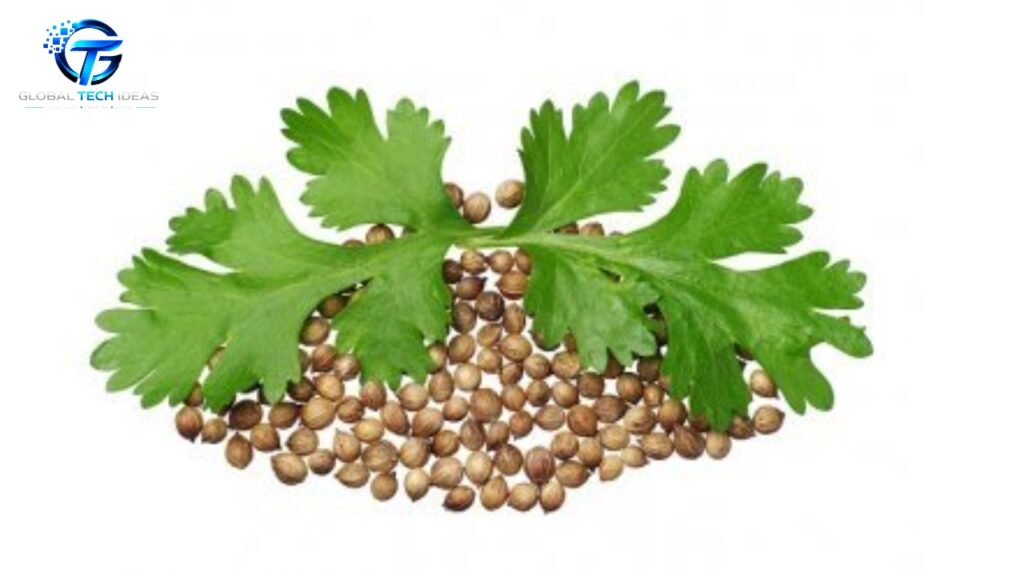
Koriandri refers to a plant that belongs to the parsley family. It is widely cultivated around the world for both its leaves and seeds. In some countries, the leaves are called cilantro, while the seeds are known as coriander.
The plant grows quickly and can reach heights of up to 50 centimeters. Its delicate green leaves resemble parsley, while the seeds are small, round, and light brown. Each part of the plant has a distinct flavor and purpose.
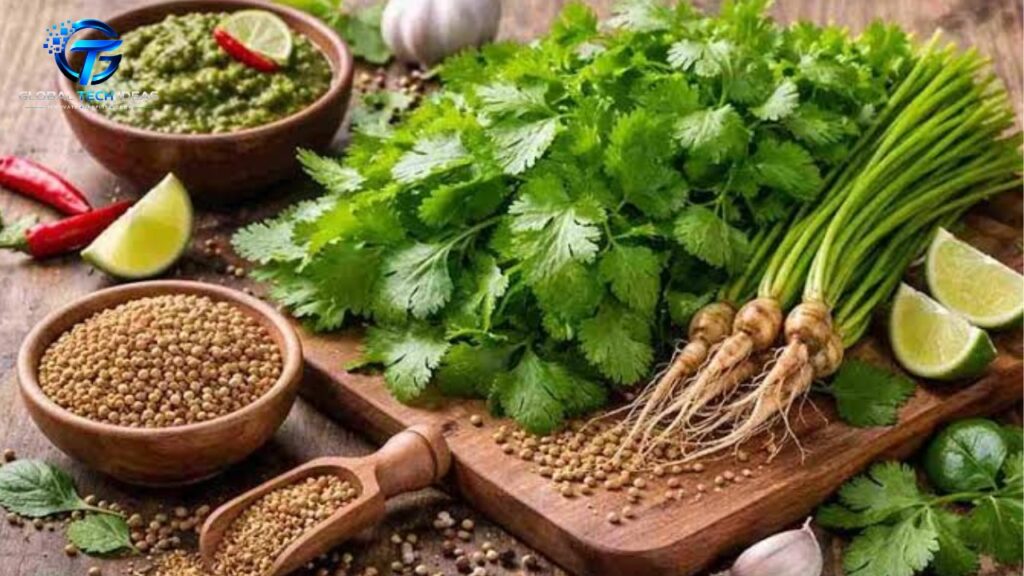
Fresh koriandri leaves are commonly used in salads, soups, curries, and sauces. The seeds are often dried and ground into powder for spice blends and seasonings.
History and Origin of Koriandri
The history of koriandri dates back thousands of years. Archaeological evidence suggests that coriander was cultivated in ancient Egypt and used in both cooking and medicinal practices.
Ancient civilizations such as the Greeks and Romans valued koriandri for its flavor and therapeutic properties. Historical texts mention its use in preserving food, creating perfumes, and treating digestive issues.
As trade routes expanded, koriandri spread across Asia, Europe, and Africa. Eventually, it reached the Americas through explorers and settlers. Today, it is grown in nearly every part of the world.
Nutritional Value of Koriandri
Koriandri is packed with essential nutrients that support overall health and wellness.
Vitamins
The leaves contain several important vitamins, including:
- Vitamin A
- Vitamin C
- Vitamin K
- Folate
- Vitamin E
These vitamins help maintain healthy skin, vision, immunity, and blood clotting functions.
Minerals
Koriandri provides valuable minerals such as:
- Potassium
- Calcium
- Magnesium
- Iron
- Phosphorus
These nutrients contribute to strong bones, healthy muscles, and proper body function.
Antioxidants
The plant contains antioxidants that help protect cells from damage caused by free radicals. These compounds may reduce the risk of chronic diseases and support long-term health.
Health Benefits of Koriandri
Supports Digestive Health
One of the most recognized benefits of koriandri is its positive effect on digestion. It may help reduce bloating, indigestion, and stomach discomfort.
Many traditional medicine systems have used coriander seeds to support digestive wellness for centuries.
Promotes Heart Health
Koriandri contains nutrients that may contribute to cardiovascular health. Some studies suggest that coriander can help maintain healthy cholesterol levels and support normal blood pressure.
Rich in Antioxidants
Antioxidants found in koriandri help combat oxidative stress. This may protect the body from premature aging and various chronic conditions.
Supports Immune Function
The vitamin C content in koriandri helps strengthen the immune system and assists the body in fighting infections.
May Help Manage Blood Sugar
Research indicates that coriander may support healthy blood sugar regulation. While it should not replace medical treatment, it may complement a balanced diet and healthy lifestyle.
Supports Skin Health
The vitamins and antioxidants present in koriandri can contribute to healthier skin. Many natural skincare remedies include coriander extracts for their soothing properties.
Culinary Uses of Koriandri
Koriandri is one of the most versatile herbs in global cuisine.
Fresh Leaves
Fresh leaves are commonly used in:
- Salads
- Soups
- Sandwiches
- Tacos
- Chutneys
- Curries
Their bright flavor adds freshness to many dishes.
Seeds
Coriander seeds are widely used in:
- Spice blends
- Pickling recipes
- Bread
- Meat dishes
- Vegetable preparations
The seeds provide a warm, slightly citrusy flavor.
Ground Powder
Ground coriander powder is a common ingredient in:
- Curry powders
- Marinades
- Sauces
- Seasonings
- Stews
It blends easily with other spices and enhances overall flavor.
How to Grow Koriandri
Growing koriandri at home is relatively simple and rewarding.
Choosing the Right Location
The plant prefers:
- Full sunlight
- Well-drained soil
- Moderate temperatures
Planting Seeds
Seeds should be planted directly into the soil because coriander does not transplant well.
Watering Requirements
Regular watering is important, but overwatering should be avoided. The soil should remain slightly moist.
Harvesting
Leaves can be harvested once the plant becomes established. Seeds are collected after the flowers mature and dry.
Koriandri in Traditional Medicine
Various cultures have used koriandri as a natural remedy for centuries.
Ayurvedic Uses
In Ayurveda, coriander is often recommended for balancing digestion and supporting overall wellness.
Traditional Chinese Medicine
Practitioners have historically used coriander to support circulation and digestive health.
Middle Eastern Remedies
Traditional remedies frequently incorporated koriandri for stomach-related concerns and general vitality.
Although many traditional uses exist, scientific research continues to evaluate these claims.
Koriandri and Modern Wellness Trends
The growing interest in natural foods has increased demand for koriandri worldwide.
Health-conscious consumers appreciate its:
- Low calorie content
- Nutrient density
- Culinary flexibility
- Natural flavor enhancement
Many people now include koriandri in smoothies, detox drinks, salads, and healthy meal plans.
Common Varieties of Koriandri
Different varieties of coriander are cultivated for specific purposes.
Leisure Coriander
Known for its slow bolting characteristics and flavorful leaves.
Santo Coriander
Popular among home gardeners due to its abundant leaf production.
Calypso Coriander
Produces high-quality foliage and has a longer harvest period.
Cruiser Coriander
Valued for strong stems and excellent flavor.
Each variety offers unique advantages depending on climate and intended use.
Storage Tips for Koriandri
Proper storage helps maintain freshness and flavor.
Fresh Leaves
Store fresh leaves in the refrigerator wrapped in a damp paper towel.
Dried Seeds
Keep seeds in airtight containers away from heat and sunlight.
Ground Powder
Store coriander powder in sealed containers and use within several months for optimal flavor.
Potential Side Effects
Koriandri is generally safe for most individuals when consumed as part of a normal diet.
However, some people may experience:
- Allergic reactions
- Mild digestive discomfort
- Sensitivity to certain plant compounds
Individuals with medical conditions or allergies should consult a healthcare professional if they have concerns.
Why Koriandri Remains Popular Worldwide
Several factors contribute to the continued popularity of koriandri:
- Distinctive flavor
- Nutritional benefits
- Versatile culinary uses
- Easy cultivation
- Long history of use
Its ability to complement both traditional and modern recipes ensures its relevance across cultures and generations.
Future of Koriandri
As consumers increasingly seek natural and nutrient-rich foods, koriandri is expected to remain in high demand.
Researchers continue exploring its potential health benefits, while chefs experiment with new ways to incorporate it into innovative dishes.
Sustainable farming practices and growing interest in home gardening may further increase its popularity in the coming years.
Disclaimer
The information provided in this article is for educational and informational purposes only. It is not intended to replace professional medical, nutritional, or healthcare advice. While koriandri may offer various health benefits, individual results can vary. Always consult a qualified healthcare professional before using herbs or supplements for medical purposes or making significant dietary changes.
FAQs
1. What is koriandri?
Koriandri generally refers to coriander, a versatile herb whose leaves and seeds are widely used in cooking and traditional wellness practices.
2. Is koriandri healthy?
Yes, koriandri contains vitamins, minerals, antioxidants, and other beneficial compounds that may support overall health when consumed as part of a balanced diet.
3. Can koriandri be grown at home?
Yes, koriandri is relatively easy to grow in gardens, containers, and small outdoor spaces with adequate sunlight and proper watering.
4. What is the difference between coriander and cilantro?
In many regions, cilantro refers to the fresh leaves of the plant, while coriander refers to the dried seeds. Both come from the same plant.
5. How should koriandri be stored?
Fresh leaves should be refrigerated, while dried seeds and powder should be kept in airtight containers away from moisture, heat, and direct sunlight.










Leave a Reply