
Introduction
Nahttypen is a German term that translates to “types of seams” in English. Seams are one of the most important elements in sewing, garment manufacturing, textile production, and fashion design. Whether you are a beginner learning to sew or a professional tailor working on complex garments, understanding different seam types is essential for creating durable, attractive, and functional clothing.
Seams are used to join two or more pieces of fabric together. The choice of seam depends on the type of fabric, garment design, desired durability, and visual appearance. Different seam types offer unique advantages, from strength and flexibility to decorative appeal and comfort.
In this comprehensive guide, we will explore the most common nahttypen, their uses, benefits, and how they contribute to professional-quality sewing projects.
What Are Nahttypen?
Nahttypen refer to the various methods used to connect fabric pieces together. Each seam type serves a specific purpose and is selected based on the requirements of the project.
A well-chosen seam can:
- Improve garment durability
- Enhance appearance
- Prevent fabric fraying
- Increase comfort
- Add decorative elements
- Improve flexibility and movement
Understanding seam construction helps sewists achieve better results and create garments that last longer.
Table: Common Nahttypen and Their Uses
| Seam Type | Description | Best Used For | Durability |
| Plain Seam | Basic seam joining two fabric pieces | Everyday clothing | Medium |
| French Seam | Encloses raw edges inside the seam | Delicate fabrics | High |
| Flat-Felled Seam | Double-stitched durable seam | Jeans and workwear | Very High |
| Bound Seam | Raw edges covered with binding | Jackets and unlined garments | High |
| Lapped Seam | Fabric overlaps before stitching | Leather and heavy fabrics | High |
| Welt Seam | Decorative and strong seam | Sportswear | High |
| Overlocked Seam | Finished using serger machine | Knitwear | Medium |
| Mock French Seam | Simplified French seam | Lightweight garments | Medium |
| Slot Seam | Decorative seam with visible fabric underneath | Fashion garments | Medium |
| Flat Seam | Seam lies completely flat | Athletic clothing | High |
Importance of Choosing the Right Seam
Selecting the correct seam type is critical in sewing because different fabrics react differently under stress. For example, lightweight silk requires a seam that hides raw edges, while denim requires a strong seam capable of handling repeated wear.
The right seam can improve:
- Garment longevity
- Professional appearance
- Wearer comfort
- Resistance to tearing
- Fabric stability
Poor seam selection often results in fraying, tearing, discomfort, and reduced garment lifespan.
Plain Seam
The plain seam is the most basic and commonly used seam in sewing. It involves placing two fabric pieces together with right sides facing and stitching along the seam line.
Advantages
- Easy to sew
- Suitable for beginners
- Quick construction
- Works with most fabrics
Applications
Plain seams are commonly used in:
- Shirts
- Dresses
- Trousers
- Skirts
- Home décor projects
Although simple, the raw edges usually require finishing to prevent fraying.
French Seam
A French seam encloses the raw fabric edges inside the seam, creating a clean and professional finish.
Benefits
- Elegant appearance
- Prevents fraying
- Ideal for delicate fabrics
- Comfortable against the skin
Common Uses
French seams are popular in:
- Silk garments
- Chiffon dresses
- Lingerie
- Baby clothing
Because the raw edges are hidden, garments appear neat both inside and outside.
Flat-Felled Seam
The flat-felled seam is one of the strongest seam types available. It encloses raw edges and creates a double-stitched finish.
Advantages
- Extremely durable
- Professional appearance
- Prevents fraying
- Suitable for heavy fabrics
Common Applications
Flat-felled seams are frequently found in:
- Denim jeans
- Work uniforms
- Outdoor apparel
- Sportswear
Many premium clothing brands use this seam because of its exceptional strength.
Bound Seam
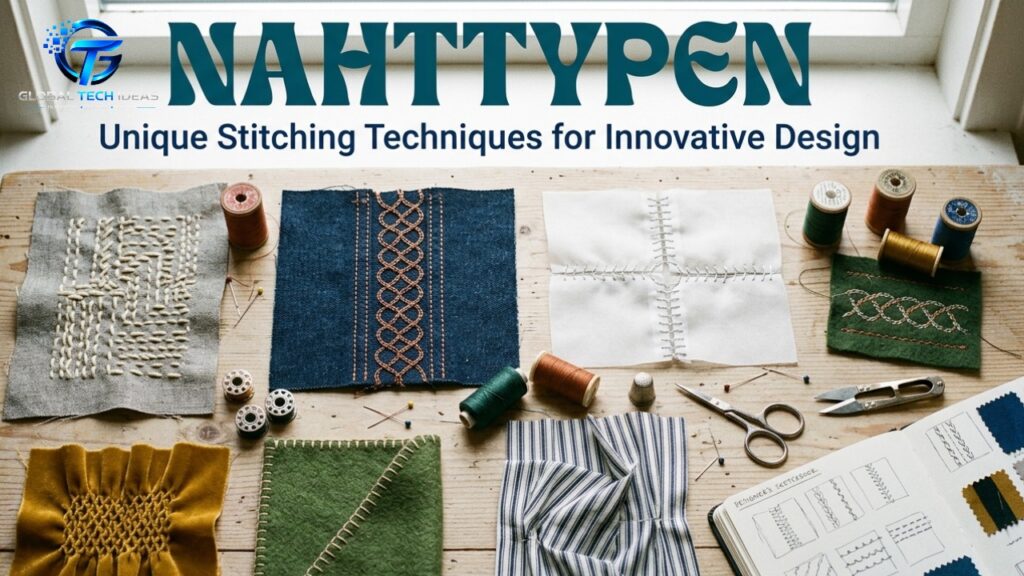
A bound seam uses fabric binding or bias tape to cover raw seam edges.
Benefits
- Decorative finish
- Protects fabric edges
- Enhances durability
- Professional look
Ideal For
Bound seams work particularly well in:
- Jackets
- Coats
- Unlined garments
- High-end fashion pieces
This seam type is often used when the inside of the garment may be visible.
Lapped Seam
A lapped seam is created by overlapping one piece of fabric over another before stitching.
Advantages
- Strong construction
- Flat finish
- Suitable for thick materials
Applications
Commonly used for:
- Leather garments
- Upholstery
- Technical textiles
- Sports equipment
Lapped seams reduce bulk while maintaining strength.
Welt Seam
The welt seam resembles a flat-felled seam but is easier to construct. It creates a decorative ridge along the seam line.
Benefits
- Decorative appearance
- Strong construction
- Suitable for visible seams
Uses
Frequently seen in:
- Sportswear
- Casual garments
- Children’s clothing
- Decorative textile projects
Welt seams combine functionality with visual appeal.
Overlocked Seam
An overlocked seam is produced using a serger machine that trims and finishes edges simultaneously.
Advantages
- Fast production
- Prevents fraying
- Flexible seam construction
- Professional finish
Common Uses
Widely used in:
- T-shirts
- Knitwear
- Activewear
- Mass-produced garments
Modern garment factories rely heavily on overlocked seams for efficiency.
Mock French Seam
The mock French seam provides a similar appearance to a French seam with fewer construction steps.
Benefits
- Faster than traditional French seams
- Neat appearance
- Suitable for lightweight fabrics
Applications
Often used in:
- Casual dresses
- Blouses
- Children’s clothing
It offers a balance between efficiency and appearance.
Slot Seam
Slot seams are decorative seams where fabric underneath remains visible through a gap between joined pieces.
Advantages
- Unique appearance
- Decorative effect
- Customizable design
Uses
Popular in:
- Designer garments
- Fashion collections
- Decorative textiles
This seam is chosen primarily for aesthetic purposes.
Flat Seam
Flat seams are designed to eliminate bulk and reduce skin irritation.
Benefits
- Maximum comfort
- Smooth finish
- Flexible construction
Applications
Commonly used in:
- Athletic wear
- Compression garments
- Underwear
- Performance clothing
Athletes prefer garments featuring flat seams because they minimize chafing.
Factors to Consider When Choosing a Seam
Several factors influence seam selection.
Fabric Type
Lightweight fabrics often require enclosed seams, while heavy fabrics need stronger seam constructions.
Garment Purpose
Workwear requires durability, while formalwear prioritizes appearance.
Washing Requirements
Frequently washed garments benefit from stronger seams such as flat-felled seams.
Design Preferences
Decorative garments may utilize welt or slot seams to enhance visual appeal.
Comfort
Activewear often requires flat seams for reduced irritation.
Seam Finishing Techniques
Seam finishing helps prevent fabric fraying and extends garment life.
Popular finishing methods include:
- Zigzag stitching
- Overlocking
- Bias binding
- Pinking shears
- Hong Kong finish
- Flat-felled construction
Choosing the correct finish depends on fabric type and garment quality requirements.
Benefits of Understanding Nahttypen
Learning about seam types offers numerous advantages.
Better Sewing Skills
Knowledge of seam construction improves sewing techniques and project outcomes.
Professional Results
Correct seam selection creates cleaner and more durable garments.
Increased Creativity
Different seams allow designers to experiment with structure and aesthetics.
Cost Savings
Strong seams reduce repairs and extend garment lifespan.
Improved Garment Performance
Specialized seams improve comfort, flexibility, and durability.
Future Trends in Seam Technology
Modern textile manufacturing continues to innovate seam construction techniques.
Emerging trends include:
- Seamless garment technology
- Ultrasonic welding
- Bonded seams
- Laser-finished seams
- Smart textile integration
These innovations improve comfort, performance, and manufacturing efficiency.
Disclaimer
This article is intended for educational and informational purposes only. Sewing techniques, seam construction methods, and textile practices may vary depending on fabric type, equipment, and individual project requirements. Readers should test seam methods on sample fabrics before applying them to important sewing projects. The author is not responsible for any damages, material losses, or sewing errors resulting from the use of information provided in this article.
FAQs
1. What does Nahttypen mean?
Nahttypen is a German word meaning “types of seams” used in sewing and garment construction.
2. Which seam is strongest?
The flat-felled seam is considered one of the strongest and most durable seam types.
3. What seam is best for delicate fabrics?
French seams are ideal for delicate fabrics because they enclose raw edges and provide a clean finish.
4. Why are flat seams used in sportswear?
Flat seams reduce friction and skin irritation, making them ideal for athletic clothing.
5. Can beginners learn different seam types easily?
Yes, beginners can start with plain seams and gradually learn more advanced seam types such as French seams and flat-felled seams.
Conclusion
Understanding nahttypen is an essential skill for anyone involved in sewing, fashion design, or textile production. Each seam type serves a unique purpose and contributes to the overall quality, durability, and appearance of a garment. From the simplicity of plain seams to the strength of flat-felled seams and the elegance of French seams, selecting the appropriate seam can significantly improve sewing results. By mastering different seam types, sewists can create professional-quality garments that combine functionality, comfort, and style.










Leave a Reply